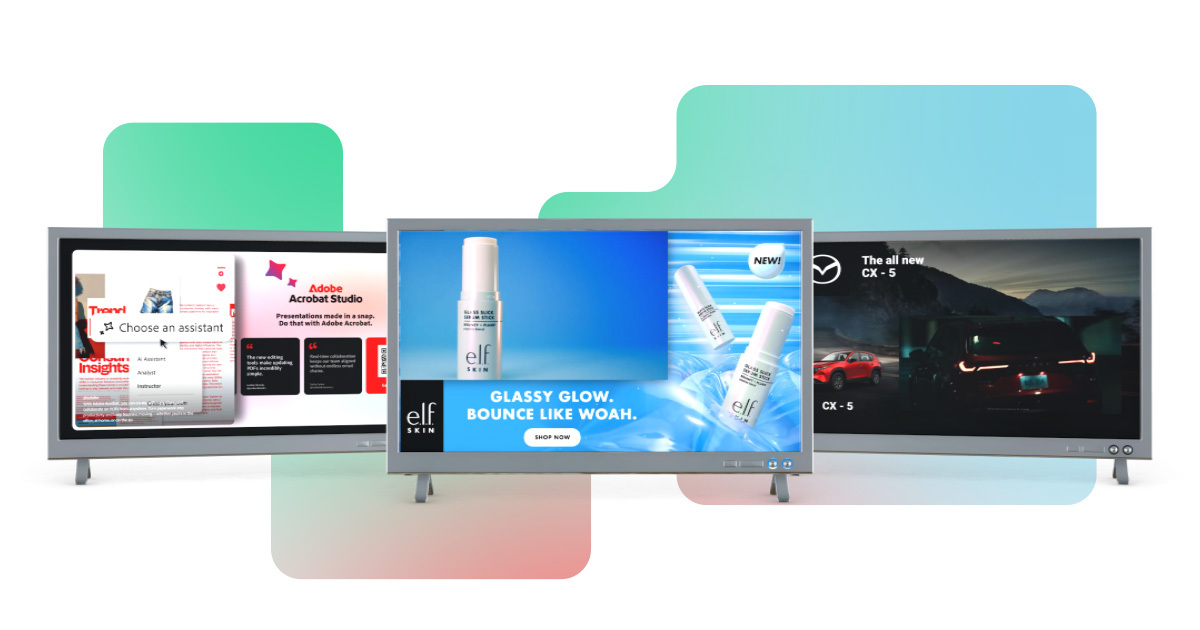



Pause Ads are full-screen ad experiences that appear when a viewer pauses streaming content on a connected TV platform, capturing attention at a viewer-initiated break. They have become one of the most compelling formats in connected TV advertising, not because of where they appear, but because of when they appear.
The most valuable moments in streaming are the ones viewers choose. When someone presses pause, they create the break themselves. They are still looking at the screen, but they are no longer immersed in the storyline. That distinction creates a different opportunity for advertisers.
Planning for that moment is what turns an emerging format into measurable impact. It underscores that how connected TV advertising works goes beyond impression delivery. It depends on aligning creative to the mindset driving that moment.
Why the Pause Demands a Different Creative Approach
The pause moment is one of the few truly viewer-initiated experiences in CTV. The mindset of the user in that familiar routine signals intention and attention in a way passive exposure cannot.
Instead of competing inside a crowded ad pod, Pause Ads occupy a calm, full-screen canvas on the biggest screen in the home. The environment is uncluttered and highly visible, but it is also quieter. Creative needs to respect that context.
This is not an opportunity to reuse commercial-break creative. The pause state rewards clarity and restraint. Effective executions focus on:
• One idea
• One visual
• One action
It is a glanceable moment. Clear value propositions outperform layered storytelling. A strong offer or intuitive QR experience can resonate because the viewer has deliberately created space.
Designing for Pause Ads means accounting for how someone feels in that instant, not simply who they are demographically.
Where Mindset Becomes the Differentiator
On the surface, connected TV ad formats can appear interchangeable. The real difference lies in mindset.
During active streaming, viewers are emotionally immersed in content, so creative that aligns with genre, tone, or sentiment performs best. The pause moment operates differently. When a viewer presses pause, they have stepped out of the narrative and may be more open to evaluating and active processing.
Streaming signals reflect emotional alignment. Pause signals reflect behavioral intent. Frequency of pauses, duration, device switching, and time before resuming indicate when attention becomes more deliberate.
Because viewers often remain paused longer than a typical :15 or :30 in-stream spot, creative stays visible for extended periods. That dwell time contributes to stronger noticeability and recall when messaging is focused, giving brands a clearer signal of real effectiveness, and embedded QR codes allow brands to measure direct engagement during the pause window.
Recognizing how mindset changes within a single viewing session allows creative, delivery, and measurement to adapt accordingly.
Pause Ads as Part of a Mindset-Led Omnichannel CTV Strategy
Pause Ads are most effective when integrated into a connected, omnichannel CTV approach rather than treated as a standalone activation.
Each format reflects a different viewer experience throughout the day. Pre-roll, overlays, display, mobile, and pause all capture attention in distinct ways. Understanding how those experiences connect provides a clearer view of the viewer journey and how messaging should evolve across it.
A mindset-led approach recognizes that:
• Streaming builds emotional alignment within content
• Pause captures deliberate attention and emerging intent
• Display and mobile reinforce and extend action beyond the living room
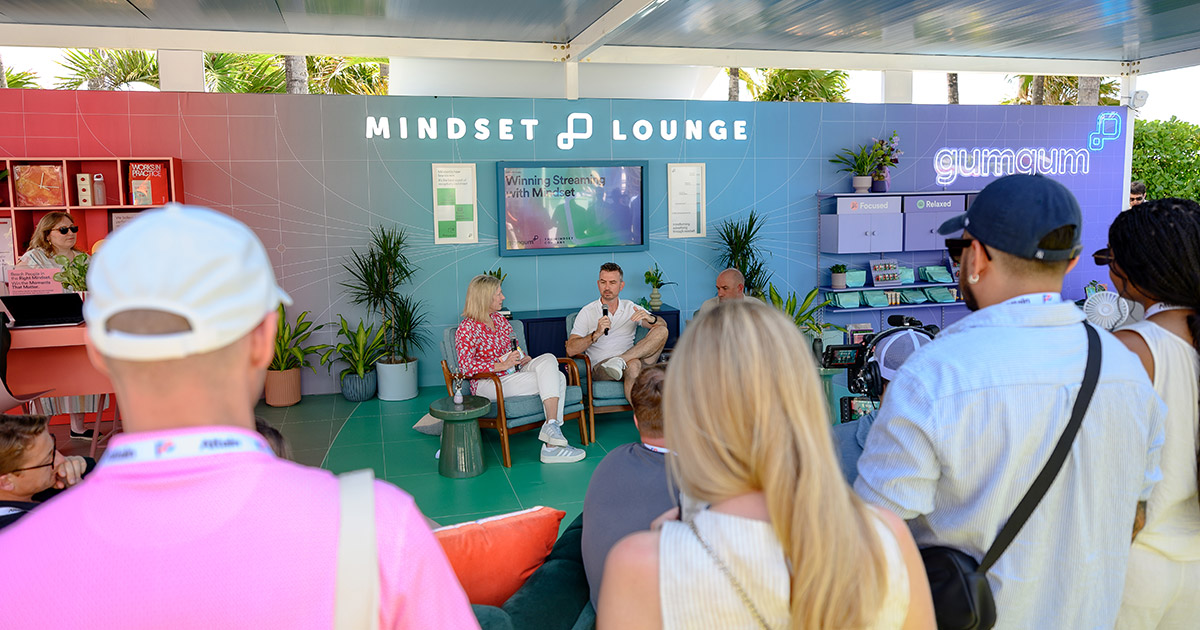
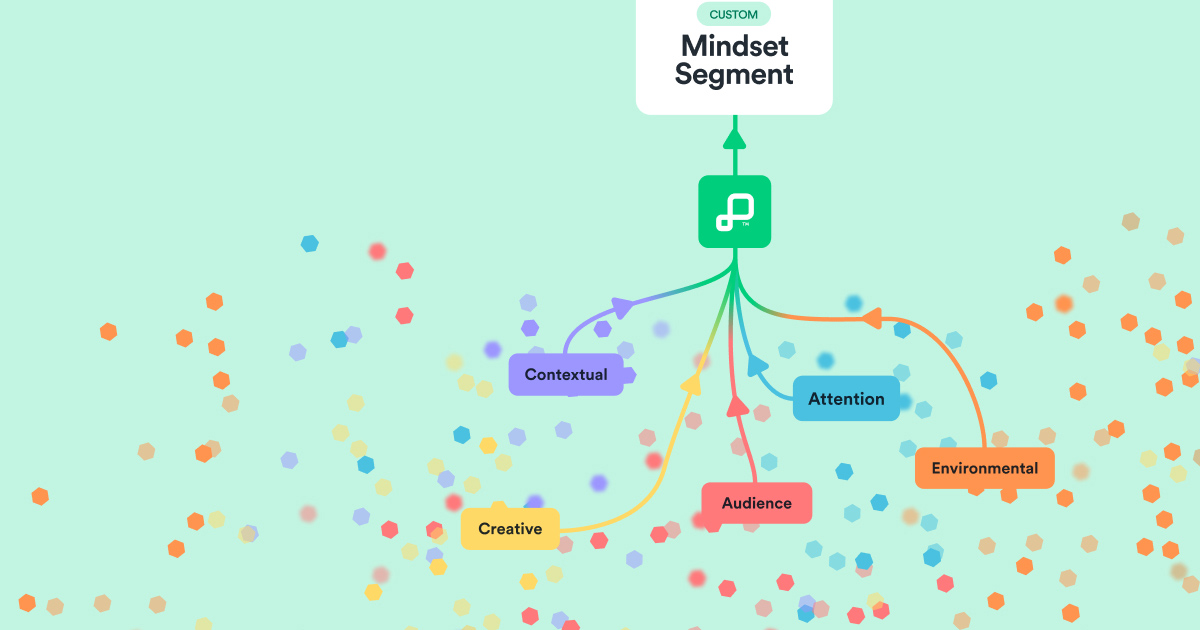
GumGum’s Mindset Graph™ brings contextual, creative, and behavioral signals together to identify the right moment across formats. Instead of buying impressions in silos, brands can align messaging to the mindset present in each environment.
When planning moves from fragmented placements to coordinated moments, performance strengthens across channels.
Turning Intent Into Impact
Pause Ads aren’t just another CTV placement. They offer an opportunity to connect with viewers at a deliberate moment.
When someone presses pause, they have already taken action. That choice creates space for clarity, value, and relevance to land differently than it would during passive viewing.
The brands that succeed will design for that moment, integrate it into omnichannel planning, and measure against meaningful behavioral signals rather than surface-level reach.
{{cta-1}}