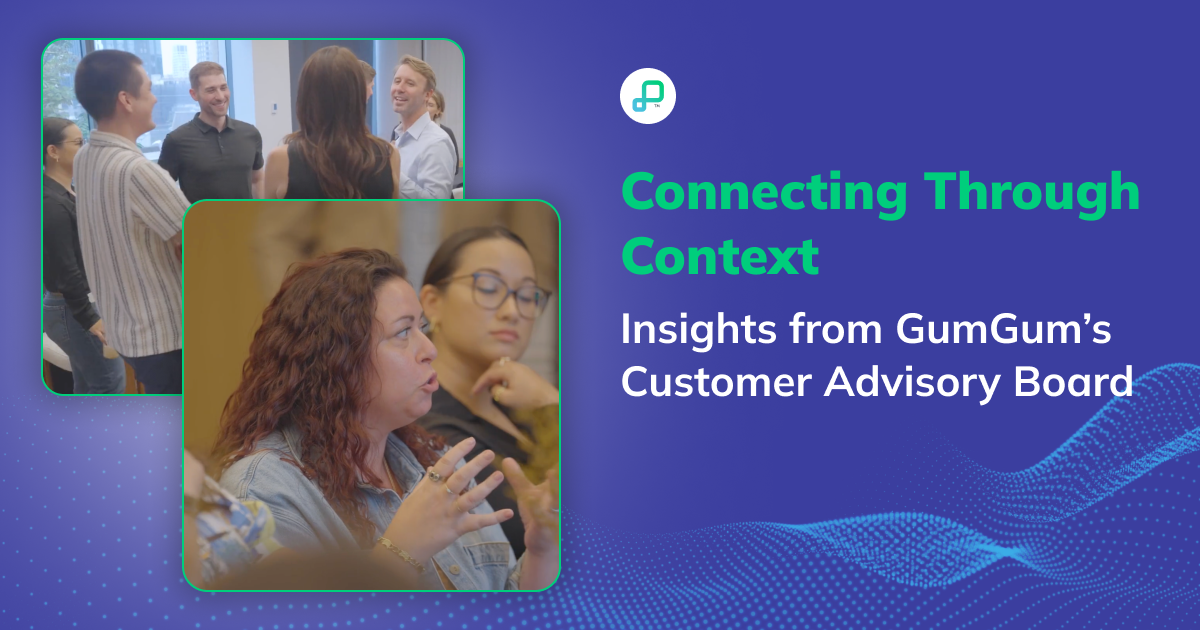


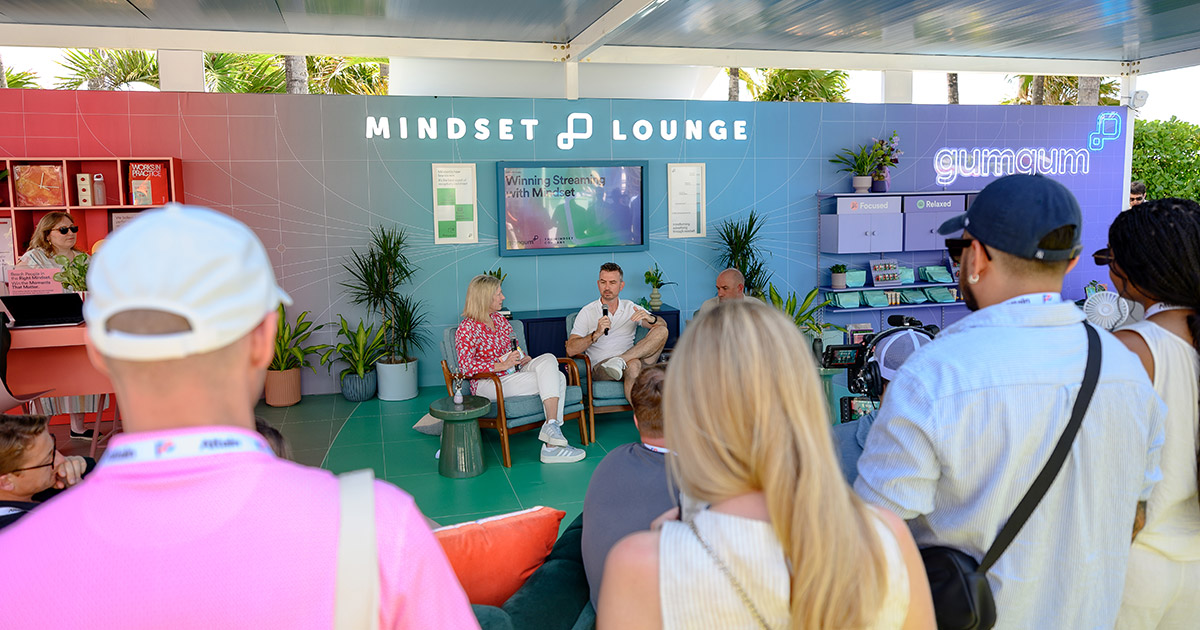


At POSSIBLE 2026, one of the biggest crowds inside the Mindset Lounge gathered for a conversation about streaming, mindset, and what it now takes to build more effective CTV strategies.
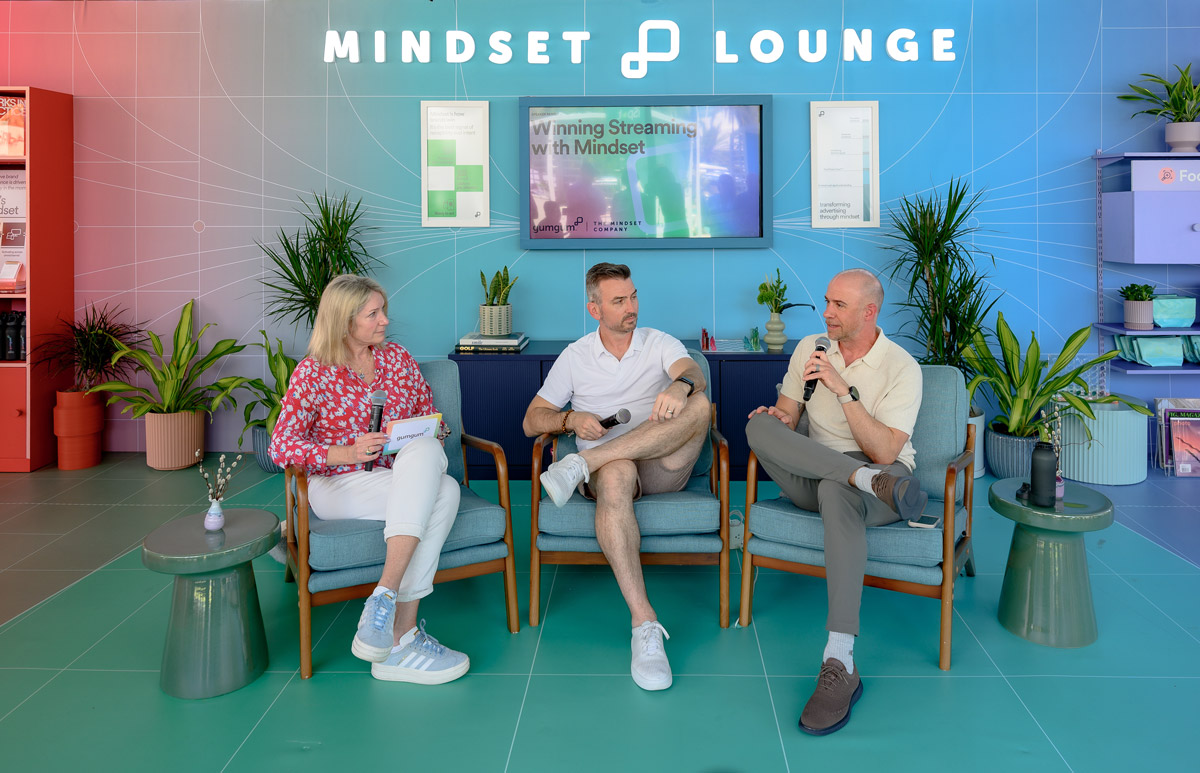
Hosted by our very own CRO Katy Loria, the session featured Rob Auger, EVP, Media & Head of Media Technology at Digitas North America, and Andrew Thomas, Head of Marketing at Archer Meat Snacks, unpacking how viewer behavior, mindset, and human context are reshaping CTV strategies.
And while the industry still spends plenty of time debating scale, fragmentation, and measurement, the real shift happening underneath it all comes down to how people actually experience content in the moment.
Here are three ways brands can build more effective CTV strategies right now.
Build Around Audience Mindset, Not Static Profiles
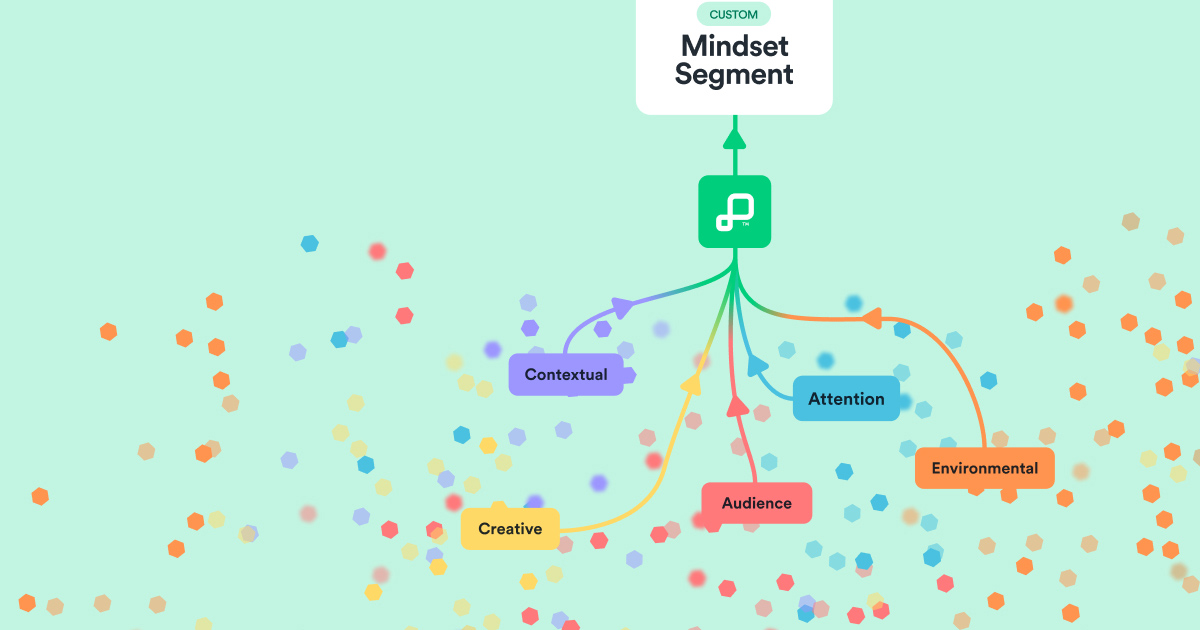
One of the clearest takeaways from the discussion was that static audience profiles are becoming less useful on their own.
Andrew Thomas explained that Archer still values traditional audience insights, but increasingly plans media around behavioral and psychological moments instead of relying exclusively on broad demographic assumptions.
For Archer, that means understanding the “snacking mindset” rather than simply targeting a predefined audience segment.
As Thomas described it, consumers move fluidly between responsibilities, environments, emotional states, and purchasing behaviors throughout the day. Someone leaving work, picking up their kids, running errands, and deciding what to make for dinner is operating in a completely different mindset than they were just a few hours earlier
And with each shift comes a different level of receptivity.
That mindset-driven approach has become a major part of how Archer thinks about media activation across streaming environments.
Rob Auger reinforced a similar point from the agency perspective, explaining that CTV creates opportunities to understand both who audiences are and what they’re thinking and feeling in real time.
The takeaway for marketers is clear: the strongest CTV strategies are becoming less dependent on static audience definitions and more focused on behavior, context, and receptivity.
Embrace Receptivity Over Constant Exposure
The discussion also challenged one of advertising’s longest-running assumptions: more reach automatically leads to better performance.
As Auger explained, the industry now has more targeting capabilities than ever before, but without context, that precision can quickly become oversaturation.
“Just because we can doesn’t mean we should.”
That idea shaped a broader discussion around:
- attention
- timing
- context
- viewer receptivity
The conversation around GumGum’s recent work with Archer brought that shift into focus.
Thomas pointed out that natural breaks in the viewing experience can often create longer windows of exposure than advertisers traditionally account for.
More importantly, those moments align naturally with real viewer behavior.
Someone grabbing a snack or ordering food during a break in viewing is operating in a very different mindset than someone actively focused on the content itself.
That creates a very different opportunity for advertisers.
For Archer, the value wasn’t simply reaching more viewers. It was showing up in moments where attention and receptivity naturally aligned with the brand experience.
Across the discussion, one point surfaced repeatedly: reach alone doesn’t guarantee impact, especially in streaming environments where mindset shifts constantly.
The brands seeing stronger CTV performance are becoming more intentional about when, where, and how they activate.
Create CTV Experiences People Will Never Forget
Another recurring idea throughout the discussion was the growing importance of emotional recall inside streaming experiences.
For Archer, streaming became a key part of the company’s broader effort to build awareness and audience connection around the brand. Thomas described CTV as an opportunity to be bold, memorable, and emotionally engaging in ways performance-heavy environments often struggle to support.
Auger echoed a similar concern from the agency side, pointing out that years of optimization have started to flatten brands creatively. In environments increasingly shaped by automation and efficiency, memorable storytelling and emotional distinctiveness are becoming harder to ignore.
That dynamic became even more apparent during the conversation around Archer’s upcoming partnership with Disney’s The Mandalorian & Grogu.
Rather than framing the collaboration as a standard sponsorship, Thomas spoke about the role shared viewing experiences play in creating long-term brand affinity.
A family watching together. A memorable scene. A reaction people talk about afterward.
Those experiences create lasting audience associations long after the ad break ends.
In a media landscape shaped by automation and fragmented attention, the brands people remember are often the ones that make them feel something first.
The Streaming Conversation Is Evolving
Viewer behavior is changing faster than most advertising strategies are adapting to it.
Audiences move fluidly across environments, emotions, devices, and moments throughout the day. That shift is forcing marketers to rethink how campaigns are planned, activated, measured, and optimized across CTV.
The brands seeing the strongest results are learning how to align with those shifts instead of simply maximizing exposure.
That’s the real opportunity inside CTV strategy: showing up in moments where audiences are attentive, emotionally aligned, and genuinely receptive to the experience.
Want to hear the full conversation? Watch the complete CTV panel session from POSSIBLE 2026 featuring Katy Loria, Rob Auger, and Andrew Thomas: [LINK]
{{cta-1}}